The short version
- Singapore's transition period ended on August 31, 2026; all pet cats now need a licence.
- An assessed fosterer pilot allows higher cat limits in eligible homes, with specific conditions.
- Microchipping, safe windows and responsible care are central to the framework.
A city-sized question, a very small resident
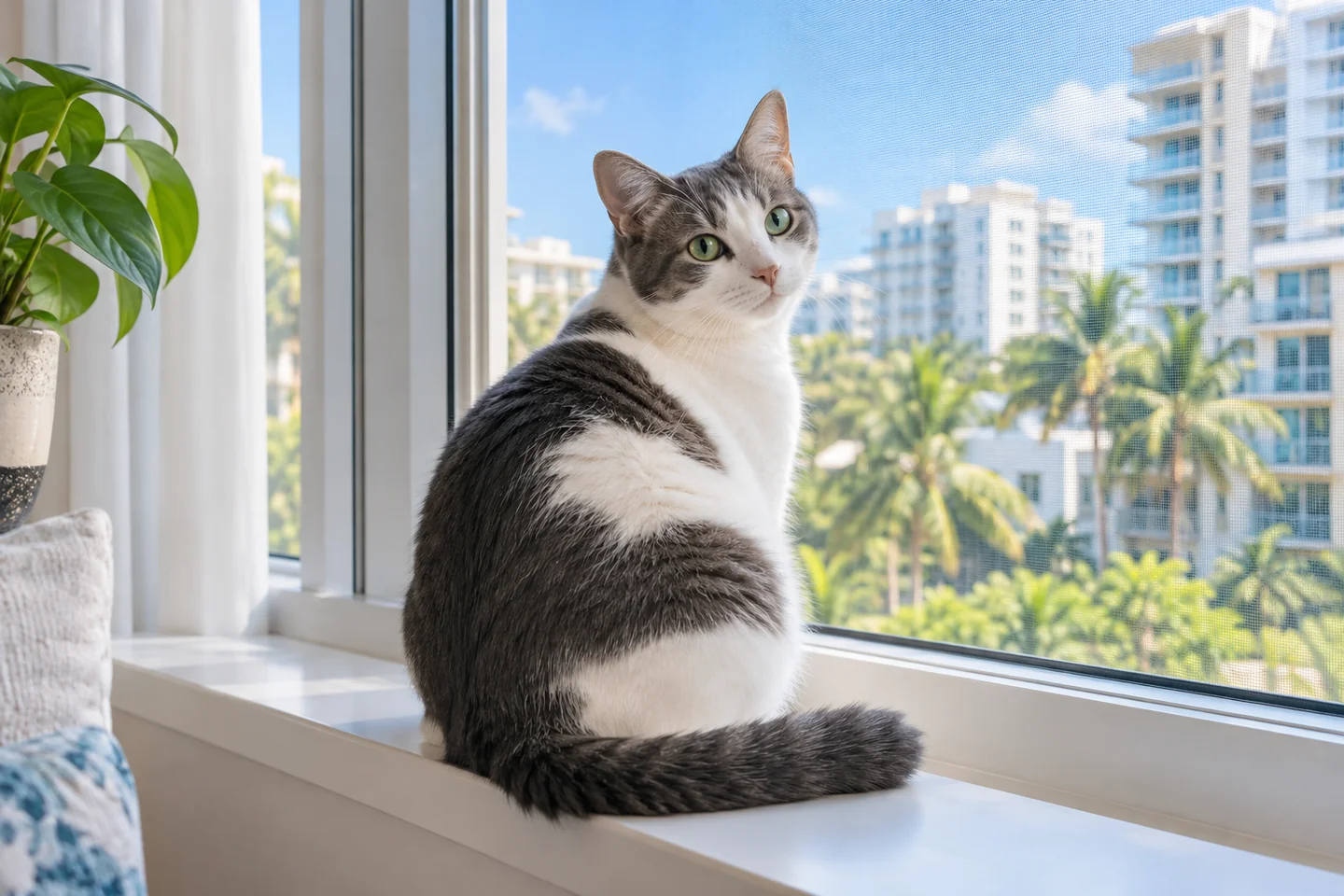
A cat at an apartment window is a familiar city scene. Behind it sit practical questions: how to keep the animal safe, how to identify its owner and how to make shared buildings comfortable for everyone. Singapore has been working through those questions in its Cat Management Framework, which entered an important new phase this September.
The two-year transition for pet cat licensing ended on August 31, 2026. According to the Animal & Veterinary Service's guidance, updated on September 17, keeping an unlicensed pet cat has been an offence since September 1. The scheme applies to adopted cats as well as those bought from sellers.
The licence is one part of the home
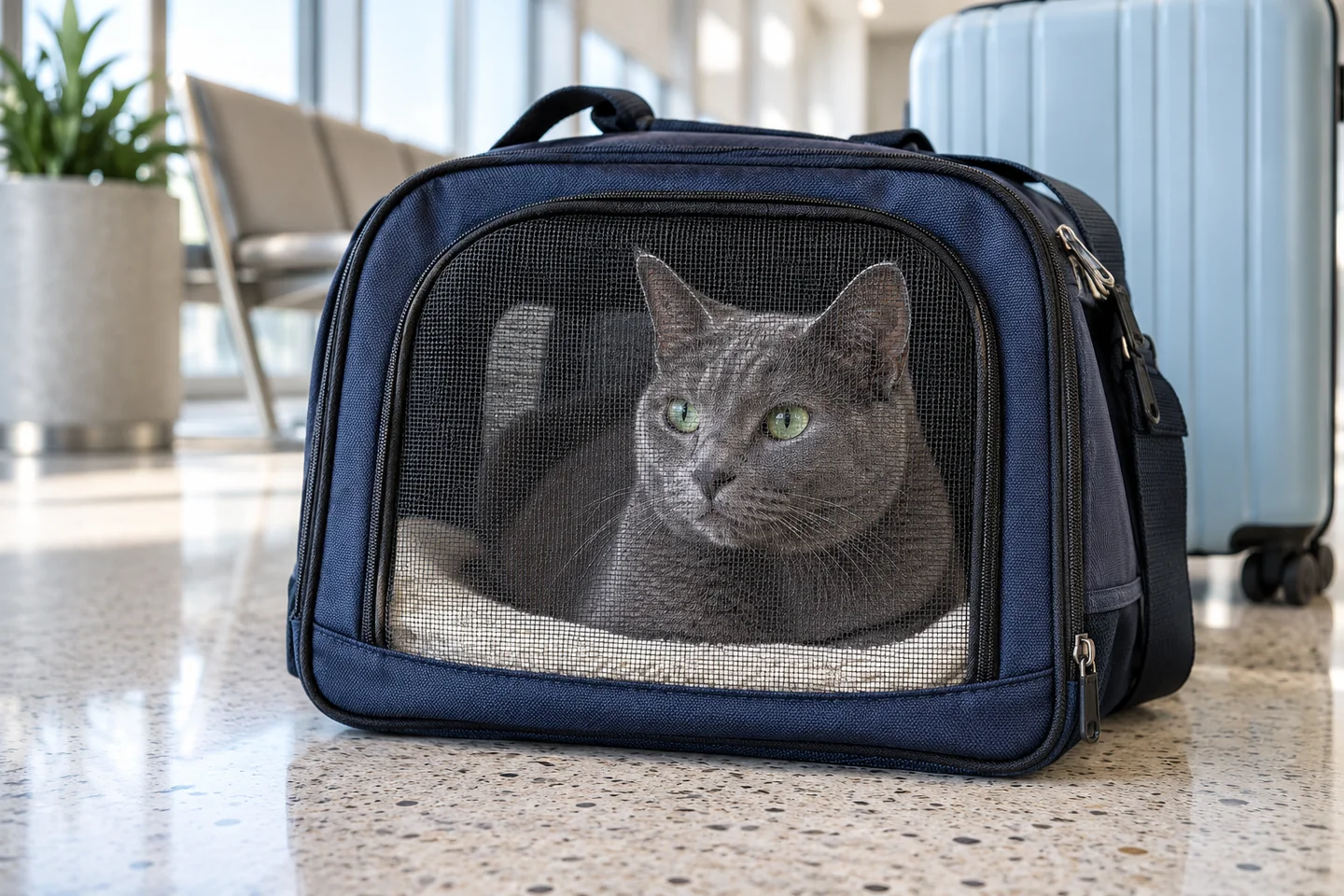
AVS requires cats to be microchipped before a licence application, and first-time applicants must complete a free online ownership course. Owners also need to protect their cats from hazards, including escape or falls from height. Suitable mesh, grilles or screens are among the measures the agency describes. In public, cats must remain under physical control, for example in a carrier.
The aim reaches beyond paperwork. In its July 18 update, NParks explained that connecting a cat's unique microchip number with an owner and address helps traceability, disease response and reunification. At that point, about 66,000 pet cats had been licensed. That is a July milestone, not a claim about the total today.
The same update reported more than 120 free microchipping drives and sessions during the transition. It also described assistance for lower-income households through the Pet Cat Sterilisation Support programme. Pairing obligations with practical help is an important feature of the approach: a requirement becomes more usable when people can access the means to meet it.
A bigger place for foster carers
The especially interesting development is a two-year pilot for approved fosterers, launched on August 3. AVS recognises that some households care for cats awaiting adoption or needing medical or palliative support. Those homes have different responsibilities from a household simply choosing another pet.
Under the pilot, approved fosterers can keep up to six cats in eligible HDB flats and up to ten in private premises. The totals include both their own pets and foster cats. Applicants need experience, sufficient time and financial resources, and suitable accommodation; the HDB route is restricted to sold flats with at least three rooms. Assessment includes home visits.
Approval is therefore not a general increase in the number of cats any resident may keep. It is a specific route for assessed carers, with licensing and sterilisation conditions. AVS also provides information about participating veterinary clinics and support available to recognised fosterers. Anyone interested should begin with the official eligibility page before accepting additional animals.
What other cities can learn
Our reading of the programme is that good urban pet policy has to account for several kinds of home. A permanent owner, a foster carer and a neighbour share a building, but their roles are not interchangeable. Making those distinctions explicit can create a clearer conversation about what responsible care looks like.
For readers outside Singapore, these rules are not a local checklist. The transferable idea is simpler: think about the cat, the home and the surrounding community together. For residents, the useful next step is concrete — check the current AVS requirements, confirm identification details and make the physical home as considered as the paperwork.
Sources & further reading
Our reporting is based on the sources below. Research findings and rules are described in their original context.
- Licensing of cats Singapore Animal & Veterinary Service, 17 September 2026
- Cat licensing transition and new fosterer pilot NParks, 18 July 2026
- Pilot scheme for cat fosterers Singapore Animal & Veterinary Service, 18 September 2026
A story worth sharing?
Send a little perspective to another animal person.
Prepared with AI assistance and checked against the linked sources. Illustrations are AI-generated. Read our editorial standards.